

The National Black Church Initiative and the ACHDC Join Howard University in Promoting Tier 1 Research Across All HBCUs
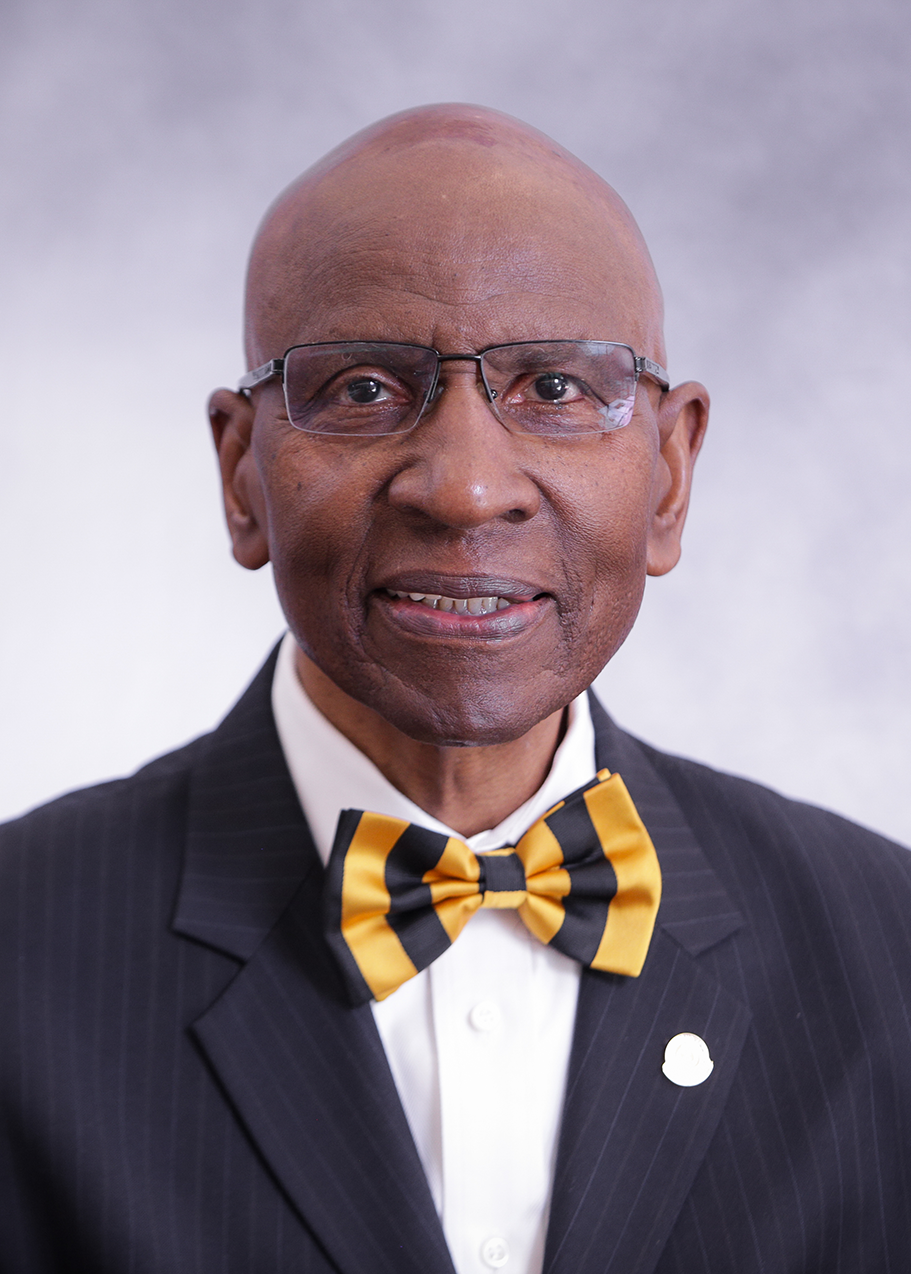
Dr. James McCoy, Co-Chair American Clinical Health Disparities Commission (ACHDC)

Dr. Joseph Webster, MD, Co-Chair, American Clinical Health Disparities Commission (ACHDC)
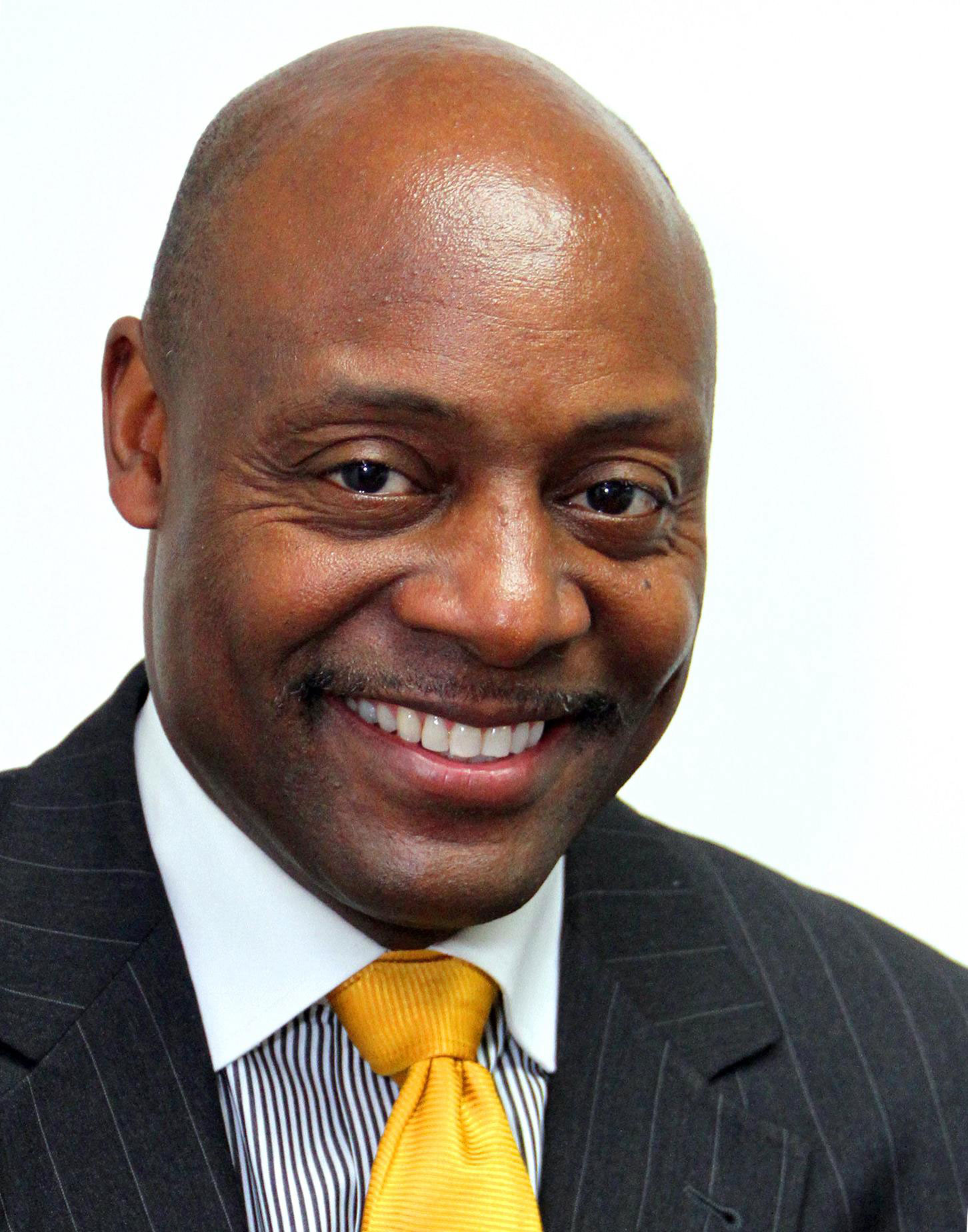
Rev. Anthony Evans, President, National Black Church Initiative
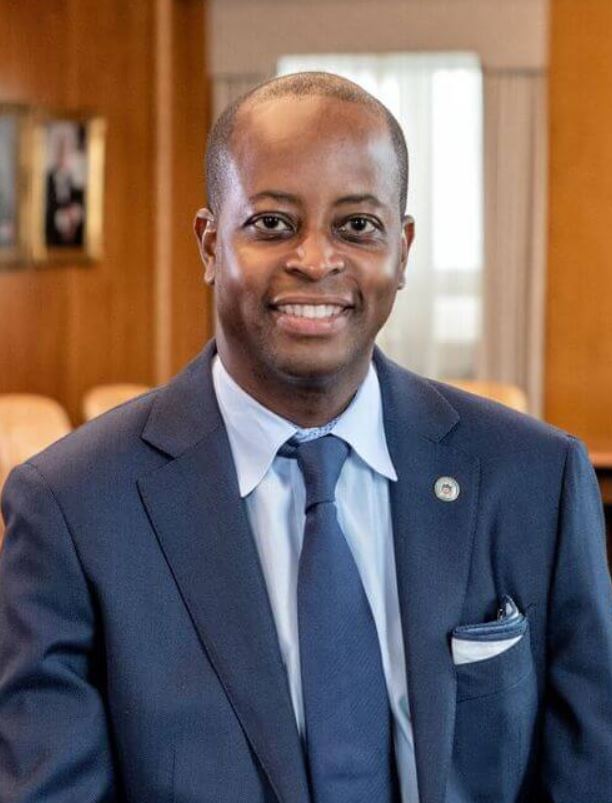
Wayne A. I. Frederick, M.D., MBA, Interim President Howard University
Howard University is expected to become the first Historically Black College or University (HBCU) to receive a Research-1 (R1) designation under the updated Carnegie Classification framework, according to reporting by The Chronicle of Higher Education. The Carnegie Classification system is used to describe and group higher education institutions based on their research activities and degree offerings. An R1 designation may increase opportunities for research funding and faculty recruitment. For Howard, the designation may also bring additional attention to research areas that disproportionately affect Black communities, including sickle-cell disease and voter participation.
National Black Church Initiative President Rev. Anthony Evans and Dr. Joseph Webster, Chair of the American Clinical Health Disparities Commission, stated, "This presents an opportunity to develop a faith-based and higher education clinical research collaboration focused on improving Black health outcomes. Two years ago, NBCI published the National Black Health Agenda (naltblackchurch.com/pdf/blackhealthagenda-congress.pdf), which serves as a framework for our clinical and community engagement priorities."
"For HBCUs, in the research that we do, there's a stated and higher commitment to historically disenfranchised communities," said Bruce Jones, Howard's senior vice president for research, according to The Chronicle of Higher Education. "Elevating HBCUs to [R1] status opens the door for them to acquire more resources and do more things in terms of meeting the community mission."
Earlier this year, the American Council for Education, which helps manage the classification process, created a new ranking strategy that places less emphasis on the number of science, technology, engineering, and mathematics doctoral degrees awarded annually as a requirement for R1 classification.
"There were a whole set of institutions that really were shut out from being able to be R1 because they weren't going to have doctoral production across all of these fields," Mushtaq Gunja, executive director of the Carnegie Classification systems, told The Chronicle of Higher Education.
Under the revised model, a higher education institution may receive R1 status if it confers at least 70 doctoral degrees in any field and spends at least $50 million on research in the previous academic year. According to Jones, Howard conferred 91 doctoral degrees and spent more than $85 million on research during the last academic year. Howard first received an R1 designation in 1987 but lost it in 2005 when the Carnegie Classification revised its requirements.
For decades, states persistently underfunded HBCUs while providing greater resources for the development of graduate programs at predominantly white institutions (PWIs), a dynamic that "severely restricted the number of Black people with graduate degrees," according to The Chronicle of Higher Education. The publication also reported that when HBCUs developed graduate programs, some states permitted competing public colleges and universities to duplicate those programs, which reduced HBCUs' ability to recruit and enroll students.
NBCI and ACHDC said they plan to engage students from member congregations who are pursuing studies in science, health, and related fields at HBCUs and to encourage participation in research and clinical health initiatives.
"It hindered the progression of HBCUs in Maryland," Willie Mays, vice president for research and economic development at Morgan State University, told The Chronicle of Higher Education. "And that is not just for R1 status. We developed unique programs that would attract a more diverse population and more students. Those programs were duplicated on [predominantly white institutions'] campuses."
Some HBCUs have endured extended legal battles related to funding disparities. In 2021, Maryland's four HBCUs reached a $577 million settlement with state lawmakers after alleging that the state duplicated HBCU programs at neighboring PWIs. With the changes to the Carnegie Classification system, other HBCUs, including North Carolina A&T State University, Morgan State University, and Southern University and A&M College, may pursue R1 status in the coming years through continued investments in research infrastructure, laboratories, and academic programs.
As part of its efforts to strengthen the research infrastructure necessary to sustain R1 status, Howard University will lead the University Affiliated Research Center, a $90 million consortium of HBCUs focused on developing tactical autonomy research for the United States Air Force.
ABOUT ACHDC
The American Clinical Health Disparities Commission (ACHDC) is a coalition of African American and Latino clinicians and clergy that educates communities, generates interest in clinical research, and works to increase clinical trial participation among NBCI's constituents. ACHDC is an accredited provider of continuing medical education and maintains a catalog of clinician and patient education programs focused on unconscious bias, health inequities, and diversity and inclusion in healthcare.
ABOUT NBCI
The National Black Church Initiative (NBCI) is a coalition of 150,000 African American and Latino churches working to address disparities in healthcare, technology, education, housing, and the environment. NBCI's mission is to provide wellness information to its members, congregations, churches, and the public. NBCI partners with national organizations, institutions, and public officials to support efforts aimed at reducing disparities in these areas. Its programs are informed by statistical analysis, research-based strategies, and community-focused approaches designed to address economic and social challenges.
Anthony Evans
National Black Church Initiative
+1 202-744-0184
email us here
Visit us on social media:
Instagram
Facebook
YouTube
TikTok
X
Legal Disclaimer:
EIN Presswire provides this news content "as is" without warranty of any kind. We do not accept any responsibility or liability for the accuracy, content, images, videos, licenses, completeness, legality, or reliability of the information contained in this article. If you have any complaints or copyright issues related to this article, kindly contact the author above.
